

Introduction
Discovering an educational approach that nurtures the whole child.
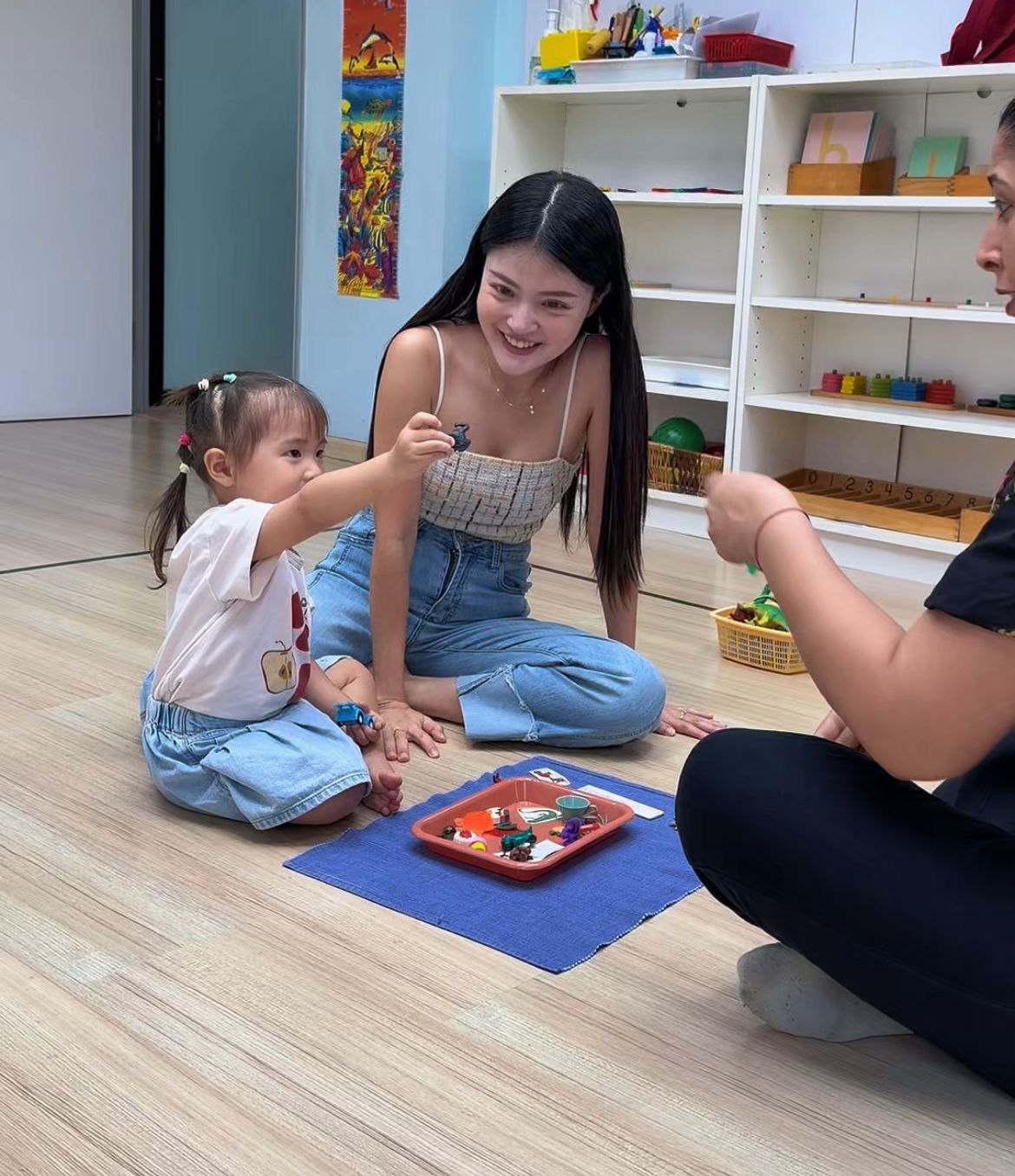
When you walk into a Montessori classroom for the first time, you might notice something wonderfully different. Children moving purposefully, choosing their own work, deeply engaged in activities that spark their curiosity. There’s a peaceful hum of concentration, punctuated by moments of discovery and delight. This is the Montessori method in
action, and it’s transforming how children learn and grow.

A Child-Centered Philosophy
At the heart of the Montessori approach is a profound respect for each child as a unique individual. Developed over a century ago by Dr. Maria Montessori, this method recognizes that children are naturally eager to learn and capable of initiating their own education when provided with a supportive, thoughtfully prepared environment.
The Prepared Environment
Step into a Montessori classroom and you’ll find it’s carefully designed to invite exploration. Every material has its place on low, accessible shelves, the furniture is child-sized, natural light fills the space, and beauty is present in every corner. This prepared environment is a carefully crafted learning space where children can independently access materials, make choices, and develop a sense of order and responsibility.
Hands-On Learning Through Discovery
Step into a Montessori classroom and you’ll find it’s carefully designed to invite exploration. Every material has its place on low, accessible shelves, the furniture is child-sized; natural Montessori materials are perhaps the most recognizable feature of this approach. These aren’t ordinary toys—they’re scientifically designed learning tools that help children understand abstract concepts through concrete experiences.
Watch a child work with the pink tower, carefully stacking graduated cubes, and you’ll see them developing visual discrimination, fine motor skills, concentration, and mathematical concepts. The material itself provides feedback through natural consequences, allowing children to learn through discovery rather than correction. fills the space, and beauty is present in every corner.
This prepared environment is a carefully crafted learning space where children can independently access materials, make choices, and develop a sense of order and responsibility.
Freedom Within Limits
One of Montessori’s most beautiful paradoxes is how it balances freedom and structure. Children have freedom to choose their activities, work at their own
pace, and move around the classroom, but this freedom exists within clear, consistent boundaries that create safety and respect. This approach teaches
something invaluable: true freedom comes with responsibility.
Children learn to make thoughtful choices, manage their time, and consider how their actions affect others—life skills that extend far beyond the classroom.
The greatest sign of success for a teacher is to be able to say, ‘The children are now working as if I did not exist.’
— Dr. Maria Montessori
Mixed-Age Learning Communities
Individualized Learning Paths
Montessori teachers are keen observers, carefully watching each child to understand their interests, challenges, and readiness for new concepts. Rather than delivering the same lesson to everyone, teachers provide individualized guidance, introducing new materials when a child shows they’re ready. This personalized approach means your child is neither bored nor frustrated—learning feels natural and joyful because it aligns with their developmental needs.
Your child’s temperament and energy level: Building Real Independence
From the earliest age, Montessori children learn practical life skills—pouring water, buttoning their own shirts, preparing snacks. These activities are fundamental to developing independence, coordination, and the deeply satisfying feeling of capability. When children develop genuine competence, they build
authentic self-confidence and learn that challenges can be overcome with effort and practice, developing resilience that will serve them throughout their lives.
Intrinsic Motivation Over External Rewards
Nurturing the Whole Child